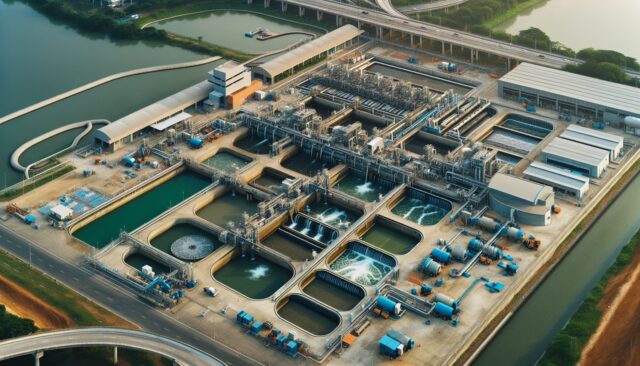
Introduction to Preliminary Treatment Processes
Preliminary treatment processes are the first steps in wastewater treatment. They aim at removing large and unwanted solids from the wastewater before it goes through more rigorous and specialized treatment techniques. Preliminary treatment processes increase wastewater treatment efficiency by reducing the load and potential damage to downstream processes.
Some of these processes occur at primary treatment facilities. They include screening, grit removal, and, at times, fat and grease removal. Each process ensures that the treatment system effectively removes harmful components and readies the wastewater for further treatments.
The Importance of Solids Removal
The removal of solids is a fundamental part of the preliminary treatment process. Large solids can damage the pumps and other infrastructure further along in the treatment process. They can also hinder the efficiency of biological treatment processes by creating an unfavorable environment for the beneficial bacteria used in these treatments.
Solids Removal Equipment
For the successful removal of solids, facilities use specially designed equipment to handle this task. Some common types of solids removal equipment include screens, grinders, grit chambers, and sedimentation tanks.
Screens
Screens catch and remove large-sized solids from the wastewater stream. They come in numerous varieties, including manually cleaned, mechanically cleaned, and rotary screens. Each type operates on the same principle of filtering out solids based on their size.
Grinders
Grinders further reduce the size of solids that have passed through the screening process. They break down these solids into smaller, more manageable pieces which can be removed with greater ease in subsequent treatment processes.
Grit Chambers
Grit Chambers serve the purpose of removing sand, gravel, and other heavy solid particles that are not easily biodegraded. The removal of such particles safeguards pumps and other mechanical equipment from abrasion and unnecessary wear.
Sedimentation Tanks
Sedimentation tanks, also known as clarifiers, are the final step in the preliminary treatment process. They permit suspended solids to settle to the bottom where a collection system collects and removes them for further treatment or disposal.
Preliminary Treatment Processes: Pros and Cons
Preliminary treatment processes offer numerous advantages, such as:
- Protection of downstream processes and equipment from potential damage.
- Increased net efficiency of the water treatment process by reducing load.
- Reduction of operational costs by minimizing repairs and replacements of damaged equipment.
Nonetheless, these processes also bear some disadvantages:
- Incapability of removing all types of waste. Certain types of waste, such as dissolved and colloidal solids, escape these primary treatments.
- Requirement for significant investment in equipment and maintenance.
- The need for skilled personnel for operation and maintenance of the equipment.
Conclusions
The preliminary treatment process is a crucial step in wastewater treatment. It primarily assures the protection of downstream processes from potential harm and increases the overall operation’s efficiency. The equipment used in these processes, such as screens, grinders, grit chambers, and sedimentation tanks, are key to achieving these objectives.
Following the CDC public health guidance, all components of wastewater treatment, including preliminary treatment processes and solids removal, play an integral role in ensuring public health and sustainability. However, facilities must balance the pros and cons of these processes to achieve the most effective and efficient operations. Understanding the roles of each piece of equipment helps facilities to plan better, maintain their equipment, and make informed decisions about wastewater treatment’s future methods.